Understanding Entertainment Technology
Entertainment Technology refers to the tools, platforms, and innovations that shape the creation, distribution, and consumption of media content. It spans digital streaming, virtual reality, augmented reality, artificial intelligence, gaming, and interactive media. By enhancing experiences and accessibility, technology has transformed the way audiences engage with films, music, gaming, live events, and online content. Understanding Entertainment Technology is crucial for creators, businesses, and audiences to navigate the evolving media landscape and to deliver content that is immersive, engaging, and personalized.
Digital Streaming and On Demand Access
Digital streaming platforms are a cornerstone of modern Entertainment Technology. Services like Netflix, Disney Plus, Amazon Prime, and YouTube allow audiences to access content anytime and anywhere. On demand access has shifted viewing habits, encouraging binge watching and flexible consumption. Recommendation algorithms use data to suggest content tailored to individual preferences, improving engagement and satisfaction. The convenience and personalization offered by streaming technology have redefined audience expectations and set new standards for content delivery worldwide.
Virtual and Augmented Reality Experiences
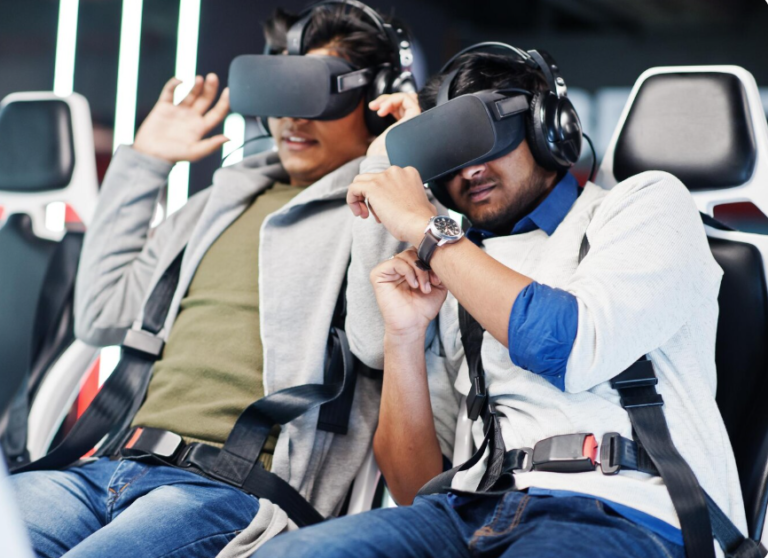
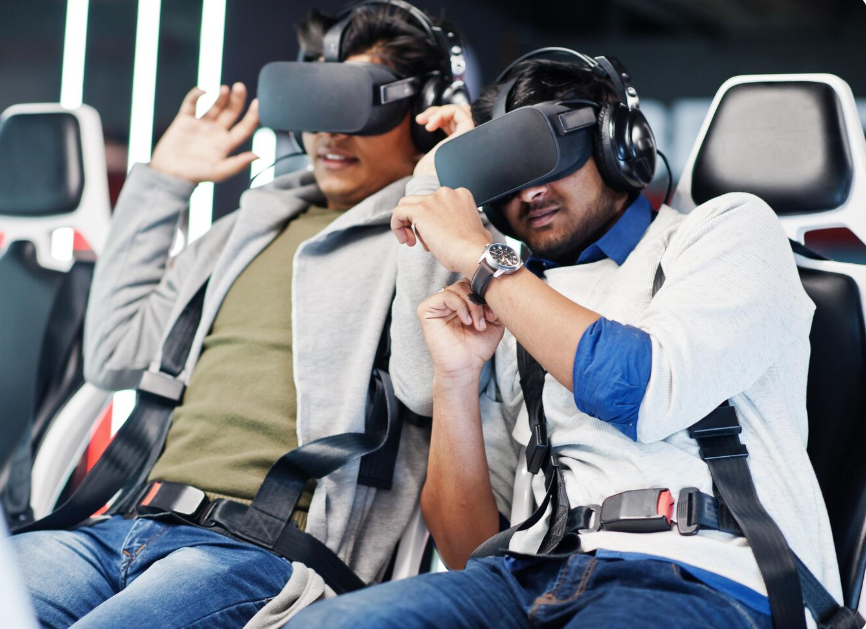
Virtual reality (VR) and augmented reality (AR) have become prominent trends in Entertainment Technology. VR immerses users in digital environments, creating interactive experiences for gaming, storytelling, and live events. AR overlays digital elements onto the real world, enhancing user interaction and engagement. These technologies allow audiences to participate actively in entertainment rather than being passive observers, opening up opportunities for immersive storytelling, educational experiences, and virtual concerts.
Artificial Intelligence and Personalization
Artificial intelligence is transforming how audiences consume content. AI analyzes viewing habits, engagement patterns, and demographic data to recommend movies, series, games, or music tailored to individual interests. AI also assists creators in editing, content generation, and optimizing user experience. Personalized content delivery improves engagement, builds loyalty, and ensures that audiences find relevant entertainment easily. The integration of AI demonstrates how technology enhances both creation and consumption in the entertainment sector.
Gaming and Interactive Media
Gaming technology is a key aspect of Entertainment Technology. High quality graphics, cloud based gaming, multiplayer platforms, and interactive narratives provide immersive experiences that attract millions of users worldwide. Advances in motion sensing, haptic feedback, and real time collaboration enhance interactivity, allowing audiences to shape their experiences. Interactive media, including choose your own adventure series and live streaming events, blur the line between creators and audiences, making entertainment participatory and engaging.
Social Media and Audience Engagement
Social media platforms are vital tools for distributing content and building communities. Platforms like Instagram, TikTok, and YouTube allow audiences to interact with creators, share feedback, and participate in trends. User generated content, live streams, and viral challenges enhance engagement and strengthen fan loyalty. Entertainment Technology enables real time interaction, creating a dynamic ecosystem where audiences influence trends and content creation directly.
Global Access and Cultural Impact
Entertainment Technology has made content globally accessible, allowing audiences to explore films, series, music, and games from different cultures. Subtitles, dubbing, and online distribution break language and geographic barriers, promoting cultural exchange. Global accessibility expands market opportunities for creators and ensures diverse representation in media. Technology also allows smaller studios and independent creators to reach worldwide audiences, contributing to a more inclusive entertainment industry.
Conclusion
Entertainment Technology is reshaping how audiences experience content, engage with media, and interact with creators. Digital streaming, virtual and augmented reality, AI, gaming, and social media are transforming consumption habits and driving innovation. By leveraging technology, creators and businesses can deliver immersive, personalized, and globally accessible experiences. Understanding and adopting Entertainment Technology is essential for thriving in the modern media landscape and ensuring that audiences enjoy innovative, engaging, and culturally relevant content worldwide.