Understanding Digital Entertainment
Digital Entertainment refers to the consumption and creation of media through digital platforms, including streaming services, online gaming, social media, and interactive content. It has transformed the way audiences engage with movies, music, games, and live events by offering instant access, personalized experiences, and global connectivity. Unlike traditional entertainment, digital platforms allow viewers to participate actively, choose what they want to watch or play, and interact with communities. Understanding digital entertainment is essential for creators, marketers, and audiences to keep up with the evolving landscape of media and leisure.
The Rise of Streaming Platforms
Streaming platforms are central to digital entertainment. Services like Netflix, Disney Plus, Amazon Prime, and YouTube provide on demand access to movies, series, and live events. These platforms use algorithms to recommend content based on viewer preferences, creating personalized experiences that enhance engagement. Binge watching and flexible viewing schedules have become standard habits, allowing audiences to consume content at their convenience. The popularity of streaming has also encouraged the creation of original content that appeals to diverse audiences worldwide.
Gaming and Interactive Experiences
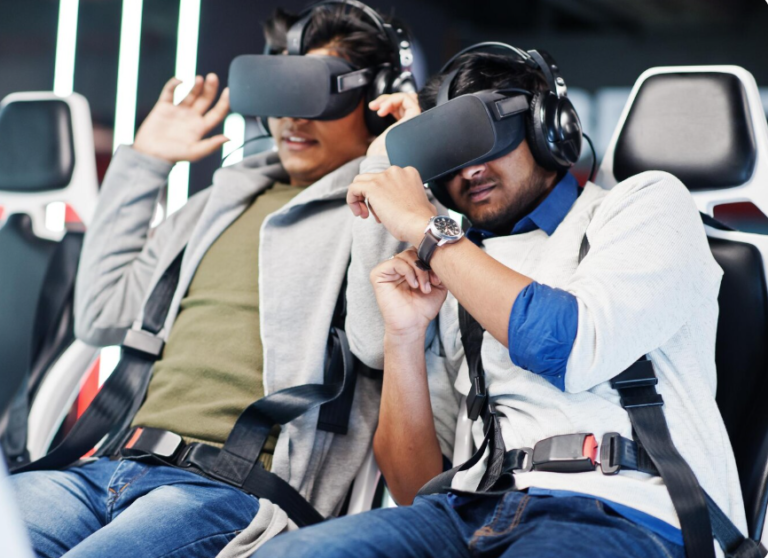
Gaming has become a core part of digital entertainment. Video games, mobile apps, and cloud gaming offer immersive, interactive experiences that engage players for hours. Technologies like virtual reality and augmented reality create realistic environments, transporting users into new worlds. Multiplayer platforms connect players globally, fostering collaboration, competition, and community building. The interactive nature of digital entertainment allows audiences to influence outcomes, explore creativity, and actively participate in storytelling rather than passively consuming content.
Music and Digital Media
Digital entertainment has revolutionized the music industry. Streaming services like Spotify, Apple Music, and regional platforms provide instant access to millions of tracks, playlists, and albums. Artists leverage digital tools for production, distribution, and promotion, allowing independent musicians to reach global audiences. Music videos, live streams, and interactive concerts enhance fan engagement and create immersive experiences. Digital platforms have also made music more personalized, allowing users to discover content that matches their tastes and moods.
Social Media and Community Engagement
Social media platforms play a vital role in digital entertainment by connecting audiences, creators, and brands. Platforms like TikTok, Instagram, and YouTube allow fans to interact with content, share reactions, and create derivative works such as videos, memes, and fan art. Communities form around shared interests, enabling discussions, collaborations, and viral trends. This level of engagement strengthens fan loyalty, amplifies content reach, and provides valuable feedback to creators for improving their offerings.
Global Access and Cultural Exchange
Digital entertainment has made content accessible to audiences worldwide. Subtitles, dubbing, and streaming technology allow people to experience films, music, and games from different countries and cultures. This exposure fosters cultural exchange, broadens perspectives, and introduces audiences to diverse storytelling techniques. Global access also allows creators to tap into new markets, reach larger audiences, and collaborate across borders, contributing to the international growth of digital entertainment.
Emerging Trends in Digital Entertainment
The future of digital entertainment is shaped by technological innovation and evolving audience preferences. Interactive storytelling, virtual reality, cloud gaming, AI powered recommendations, and short form content are becoming increasingly popular. Audiences expect immersive, personalized, and on demand experiences that cater to their interests and lifestyles. As technology advances, creators and platforms must adapt to deliver innovative content that engages, entertains, and connects with audiences effectively.
Conclusion
Digital entertainment has transformed how audiences consume media, engage with content, and connect with communities. From streaming platforms and gaming to music and social media, it offers personalized, immersive, and interactive experiences that go beyond traditional forms of leisure. By embracing technology, global access, and creative storytelling, digital entertainment continues to evolve, shaping the way people experience fun and culture worldwide. Understanding these trends ensures that audiences, creators, and businesses remain connected to the dynamic world of digital media.
About the Author